Stain Removal in Homes, Fabrics, and Everyday Life
Stain removal is one of those everyday tasks that can feel surprisingly frustrating until you know the right approach. Whether you are dealing with coffee on a shirt, grease on a countertop, red wine on a tablecloth, or mud on upholstery, effective stain removal depends on speed, technique, and the right cleaning method. The good news is that stain removal does not have to be complicated. With the right knowledge, you can tackle common marks before they become permanent and keep your home, clothing, and surfaces looking their best.
People search for stain removal tips every day because stains happen at the worst possible times. A spill during dinner, a child’s art project, a pet accident, or a kitchen mishap can leave visible marks that affect comfort and appearance. The key to successful stain removal is understanding the material, identifying the stain type, and using a method that is both effective and safe. This article explores practical stain removal strategies, common mistakes, and helpful tips that can make cleaning easier.
From fabric stain removal to hard-surface cleaning, the process is all about breaking down the stain without damaging the item. Some stains respond to cold water, while others need degreasing agents or gentle scrubbing. Learning how stain removal works can save money, reduce waste, and extend the life of your belongings. If you want to improve your routine and handle spills with confidence, this article will help you do exactly that.
Why Stain Removal Matters in Everyday Cleaning
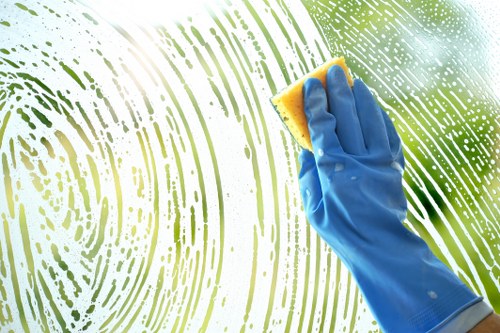
Stain removal is more than just a cosmetic concern. Stains can weaken fabrics over time, leave lingering odors, and create a sense of clutter or neglect in a space. In homes, businesses, and rental properties, visible marks can affect how clean an environment feels. Fast and effective stain removal helps preserve appearance, hygiene, and value.
Many people assume all stains can be treated the same way, but that is rarely true. Coffee, blood, ink, grease, rust, and food spills each require different methods. For example, hot water may set some stains, while others may need it to dissolve more quickly. The most successful stain removal routines begin with proper identification and careful treatment.
It also matters because a stain that is ignored today may become much harder to remove tomorrow. As stains age, they bond more firmly to fibers and surfaces. That is why quick action is essential. Stain removal becomes far easier when you act early, blot instead of rub, and use the correct cleaner for the material.
Understanding the Basics of Stain Removal
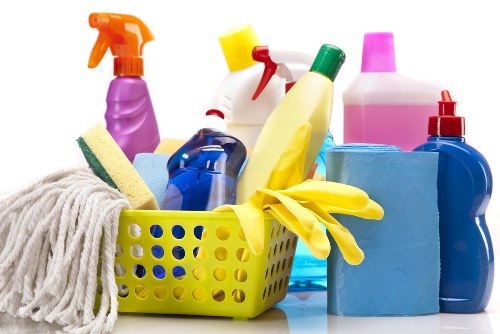
Before starting any stain removal process, it helps to understand what makes stains stick. A stain is usually made up of particles, oils, pigments, or proteins that penetrate a surface. When these particles settle into fabric or porous materials, they become harder to lift. Successful stain removal means loosening those particles so they can be washed away.
There are several broad categories of stains, including protein-based stains, oil-based stains, tannin stains, dye stains, and combination stains. Each category reacts differently to cleaning products and temperature. For example, protein stains such as blood or egg often respond best to cold water, while greasy stains may need detergent or a degreaser. Understanding these basics improves stain removal results dramatically.
A good rule for stain removal is to treat the stain as soon as possible and test any cleaner in an inconspicuous area first. This is especially important for delicate fabrics, colored textiles, wood, and stone. A safe stain removal method protects the item while still lifting the mark effectively.
Essential Stain Removal Tools and Supplies
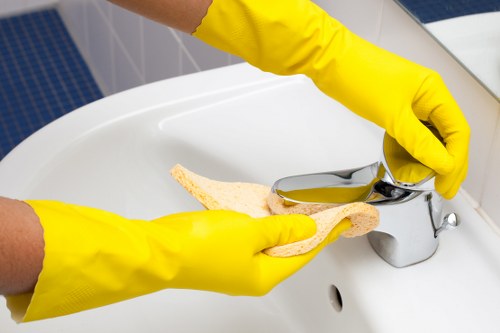
Having a small stain removal kit at home can make a big difference. When spills happen, you will not need to search for supplies in a panic. A well-prepared kit supports quick stain removal and can prevent permanent damage.
- Clean white cloths or paper towels for blotting
- Soft-bristle brush for gentle scrubbing
- Liquid laundry detergent for fabric stain removal
- White vinegar for certain odors and light stains
- Baking soda for absorption and deodorizing
- Hydrogen peroxide for some organic stains, used carefully
- Dish soap for grease and food residue
- Cold water for rinsing many fresh stains
For hard surfaces, you may also want a microfiber cloth, a non-abrasive sponge, and a mild all-purpose cleaner. The right tools help make stain removal more efficient and reduce the chance of spreading the stain. Preparation is a major part of effective stain removal.
It is also wise to keep gloves handy for stronger cleaning products and to read product labels carefully. Some stain removal solutions are not safe for all materials, and mixing chemicals can create harmful reactions. Safe cleaning habits matter just as much as the stain removal method itself.
Stain Removal on Clothing and Fabrics
How to Treat Common Fabric Stains
Clothing stain removal is one of the most common cleaning challenges. Shirts, pants, bedding, and table linens all pick up marks from food, beverages, cosmetics, and outdoor activities. The first step in fabric stain removal is always to blot the excess carefully. Never rub aggressively, because that can push the stain deeper into the fibers.
For many fresh stains, cold water is a smart starting point. Rinse from the back of the fabric whenever possible so the stain is pushed out rather than deeper in. Then apply a stain treatment or a small amount of detergent before laundering. This approach is often effective for general stain removal and helps reduce the chance of a permanent mark.
Different stains call for different approaches. Grease stain removal may require dish soap or a grease-fighting detergent. Wine stain removal often benefits from prompt blotting and careful absorption. Ink stain removal may need rubbing alcohol, depending on the fabric. Always check care labels before proceeding, especially with delicate materials like silk, wool, or rayon.
Fabric Stain Removal Tips
- Act quickly and avoid heat until the stain is fully gone
- Blot spills instead of rubbing them in
- Use the right cleaner for the stain type
- Wash only after pre-treatment is complete
- Air dry first to confirm the stain is removed
Food and Beverage Stain Removal
Handling Coffee, Tea, Wine, and Sauce Spills
Food and drink spills are among the most frequent reasons people seek stain removal advice. Coffee and tea often leave tannin marks that can discolor fabric and upholstery. Red wine can be especially alarming because of its strong pigment, while tomato sauce and curry may create bold color stains. The sooner you begin stain removal, the better your results will usually be.
For coffee and tea stains, blot the liquid and flush with cold water. A small amount of liquid detergent can help lift remaining residue. Wine stains can be treated with salt for absorption or with a suitable stain remover, depending on the fabric. Sauce stains often require scraping away solids first and then treating the remaining color with detergent or a stain-safe solution.
Food stain removal can also depend on whether the stain is oily or acidic. Cream-based sauces may leave a greasy halo, while fruit-based spills can act like dyes. Stain removal works best when you address both the pigment and any residual oil. The goal is not just to remove the visible spot but to restore the material as evenly as possible.
Quick food stain removal checklist:
- Remove excess food with a spoon or dull edge
- Blot liquid without spreading it
- Use cold water unless the stain type suggests otherwise
- Apply an appropriate cleaner
- Launder or rinse after treatment
Stain Removal for Grease and Oil Marks
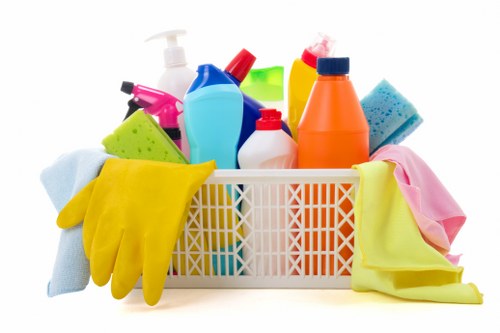
Grease stain removal often requires a different approach than water-based stains. Oil does not dissolve easily in plain water, which is why greasy marks from cooking, lotions, makeup, and machinery can be so stubborn. A detergent or degreasing agent is usually the best starting point for effective stain removal.
On clothing, a few drops of dish soap can help break down the grease before laundering. On carpets or upholstery, blotting with absorbent material and applying a cleaning solution carefully may improve results. For hard surfaces like countertops or tile, a mild degreaser or all-purpose cleaner can remove residue without harming the finish. Stain removal for grease is all about separating the oil from the surface.
It is important not to over-saturate fabric or upholstery when treating greasy stains. Too much liquid can spread the mark or damage padding beneath the surface. Instead, work in small amounts and repeat the stain removal process if needed. Patience often delivers better results than aggressive scrubbing.
Stain Removal from Carpets and Upholstery
Protecting Soft Surfaces
Carpet and upholstery stain removal requires care because these materials absorb liquids quickly and may be difficult to rinse completely. The first rule is to act fast. Press a clean cloth onto the spill to absorb as much as possible, then use a suitable cleaning solution in small amounts. Avoid soaking the area, as excess moisture can lead to odors or damage.
For many carpet stains, a mixture of water and mild detergent can work well. Upholstery stain removal may require checking the manufacturer’s cleaning code before applying any product. Some fabrics are water-safe, while others need solvent-based treatment or professional attention. When in doubt, test in a hidden area and proceed gradually.
Stain removal on soft surfaces is also about technique. Blot from the outside of the stain toward the center to prevent spreading. Use a white cloth so color from a towel does not transfer to the material. After treatment, allow the area to dry fully and inspect it in daylight if possible. If needed, repeat the stain removal process carefully.
Helpful soft-surface stain removal tips:
- Do not scrub aggressively
- Avoid soaking the padding underneath
- Use dry towels to absorb excess moisture
- Finish with thorough drying and ventilation
Stain Removal from Hard Surfaces
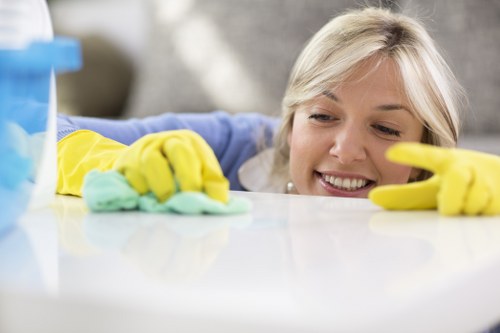
Countertops, Floors, Walls, and Fixtures
Hard-surface stain removal is often easier than fabric cleaning, but it still requires the right approach. Countertops, tile, sinks, and walls can be damaged by harsh chemicals or abrasive pads. Whether you are dealing with soap scum, food splashes, marker marks, or mineral deposits, the right stain removal method preserves the surface while restoring appearance.
For many hard surfaces, a mild all-purpose cleaner and a microfiber cloth are enough. For tougher marks, a paste made from baking soda and water may help lift residue without scratching. On sealed surfaces, white vinegar can be useful for some mineral stains, though it should not be used on natural stone such as marble or granite without checking compatibility. Effective stain removal always considers the surface material first.
Walls and painted surfaces need a gentle touch. Start with warm water and a soft cloth before moving to stronger solutions. On floors, the type of flooring matters just as much as the stain itself. Wood, vinyl, tile, and laminate each have different cleaning needs. Safe stain removal depends on knowing when to clean lightly and when a more targeted treatment is appropriate.
Hard-Surface Stain Removal Best Practices
- Identify the surface before using any product
- Choose non-abrasive tools
- Work in small sections
- Dry thoroughly after cleaning
- Avoid products that can dull or etch finishes
Common Stain Removal Mistakes to Avoid
Even a simple spill can become a lasting problem if the wrong method is used. One of the most common mistakes in stain removal is rubbing instead of blotting. Rubbing spreads the stain and can damage fibers. Another mistake is using hot water too soon, especially on protein-based stains, which can cause them to set.
People also sometimes mix cleaning products in an effort to boost stain removal power. This is risky and unnecessary. Vinegar, bleach, ammonia, and other chemicals should never be combined unless the label specifically says it is safe. Stronger is not always better. Safe stain removal is about using the correct product, not the harshest one.
Waiting too long is another issue. Fresh stains are far easier to treat than old ones. If you let a spill dry completely, stain removal may require repeated treatment or professional cleaning. Even so, many stains can still improve with persistence and the right method. The best mindset is calm, quick, and careful.
Common mistakes include:
- Rubbing the stain aggressively
- Using the wrong water temperature
- Applying too much cleaner
- Skipping a fabric or surface test
- Putting an item in the dryer before the stain is gone
Natural Stain Removal Solutions
When to Use Gentle Household Ingredients
Some people prefer natural stain removal methods because they are simple, affordable, and often already available at home. Baking soda, vinegar, lemon juice, and salt can all be useful in certain situations. These ingredients are especially popular for light cleaning and odor control. Still, natural stain removal should be used thoughtfully, because not every ingredient is suitable for every material.
Baking soda can absorb moisture and help lift mild odors. Vinegar may help with some water-based marks and mineral buildup. Salt can absorb fresh liquid spills, especially on fabric. Lemon juice may brighten certain stains, though it should be used carefully because it can affect color and finish. The strength of natural stain removal comes from matching the ingredient to the problem.
For best results, combine gentle products with proper technique. A natural product alone is not always enough. Blotting, rinsing, and drying are still essential parts of the stain removal process. Whether you choose natural or commercial products, consistency and timing make the biggest difference.
When Professional Stain Removal Makes Sense
There are times when DIY stain removal is not enough. Delicate fabrics, antique textiles, large carpet stains, deep upholstery marks, and set-in discoloration may require professional care. If the item is valuable or the stain is unknown, it may be safer to consult experts rather than risk further damage. Professional stain removal can save an item that might otherwise be ruined.
Professional cleaners often have stronger equipment and specialized solutions that can handle stubborn marks more effectively. They also know how to treat different fibers, dyes, and finishes with precision. If a stain has already been through heat drying, repeated washing, or unsuccessful home treatment, professional stain removal may be the best next step.
Even when you plan to use professional services, quick home action still helps. Blotting a fresh spill and avoiding heat can improve outcomes. In many cases, stain removal works best when homeowners and professionals both play a role. If an item matters to you, do not wait too long to seek help. Book your service now if the stain is too stubborn to handle safely on your own.
How to Build a Simple Stain Removal Routine
A stain removal routine does not need to be complicated. A few habits can make a major difference in keeping fabrics and surfaces clean. Start by keeping a small stain care kit where spills are most likely to happen, such as the kitchen, laundry room, or dining area. This allows you to begin stain removal quickly instead of searching for supplies.
It also helps to sort stains by type. Food, grease, ink, mud, and cosmetic stains each respond differently. If you learn a few reliable methods for the most common stains in your household, you will feel more confident and less stressed when accidents happen. Good stain removal habits can reduce laundry waste and prevent repeat washing.
Finally, always check the result before drying. Heat can make a stain permanent, so air drying is a smart final step after treatment. This simple habit can save a favorite shirt or a costly upholstery piece. In the long run, strong stain removal habits protect your belongings and make cleaning feel more manageable.
Practical Routine Checklist
- Keep cleaning cloths and detergent nearby
- Blot spills immediately
- Use the correct treatment for the stain type
- Rinse or wash before drying
- Re-treat if needed before heat exposure
Final Thoughts on Effective Stain Removal
Stain removal is a valuable skill that helps maintain the beauty, cleanliness, and lifespan of everyday items. From clothing and upholstery to counters and floors, the right approach can make a dramatic difference. The most important habits are simple: act quickly, identify the stain, choose the right method, and avoid common mistakes. With these basics, stain removal becomes much easier to manage.
Whether you prefer natural ingredients or commercial cleaners, the best results come from careful application and patience. Not every stain will disappear instantly, but many can be reduced or removed completely with the right treatment. A smart stain removal routine gives you confidence when spills happen and helps protect the items you use every day.
If you are dealing with a stubborn spot, do not wait until it becomes harder to treat. Try a safe method, assess the results, and take the next step if needed. For serious or delicate cases, Contact us today or Book your service now to get help with stain removal before the damage becomes permanent.